The Longest Night
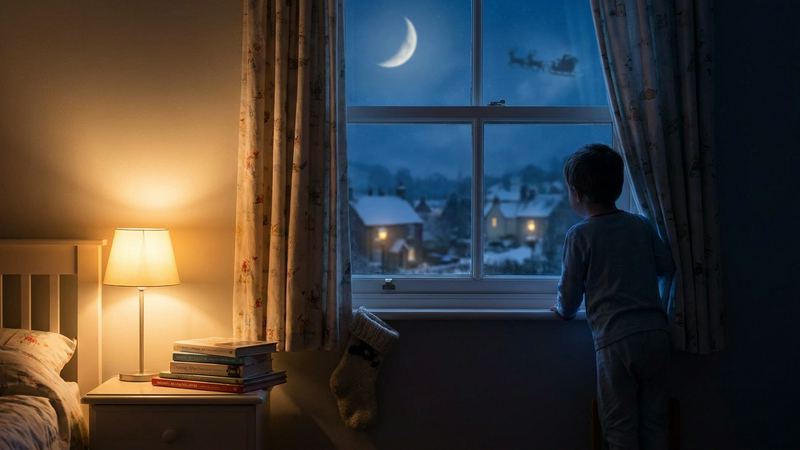
A short Christmas story for reading aloud — about the night that would not end and the child who waited through it. States its read-aloud time at the top.
Each one comes with a read-aloud time, so you can choose by how long you have as much as by taste.
Find a story by lengthStories to read tonight, and pages for whenever the questions start.
A short Christmas story for reading aloud — about the night that would not end and the child who waited through it. States its read-aloud time at the top.
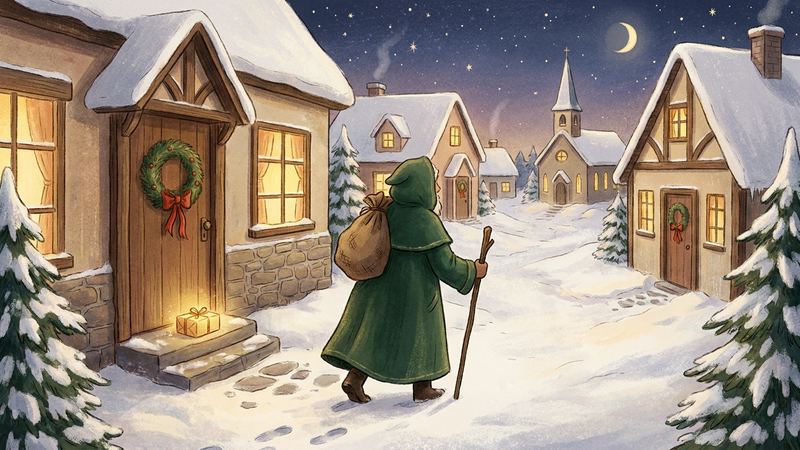
A short Christmas story for reading aloud — about the figure in the green coat and why he comes in winter. States its read-aloud time at the top.
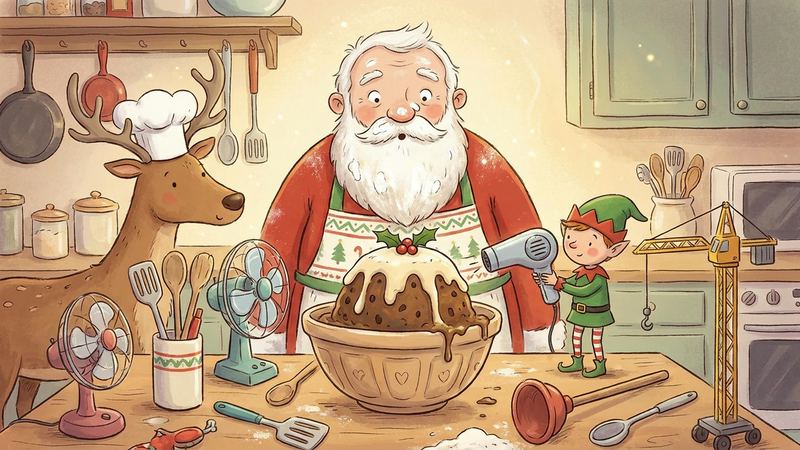
A short Christmas story for reading aloud — about a pudding that went wrong and what came of it. States its read-aloud time at the top.
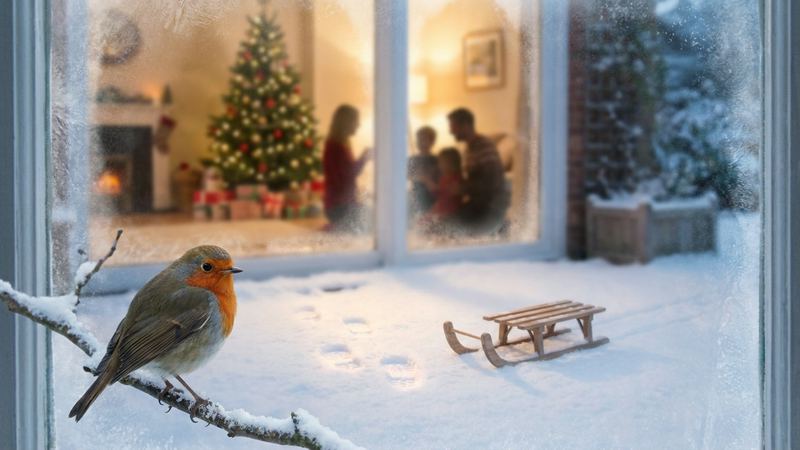
A short Christmas story for reading aloud — told from the point of view of a robin on Christmas morning. States its read-aloud time at the top.
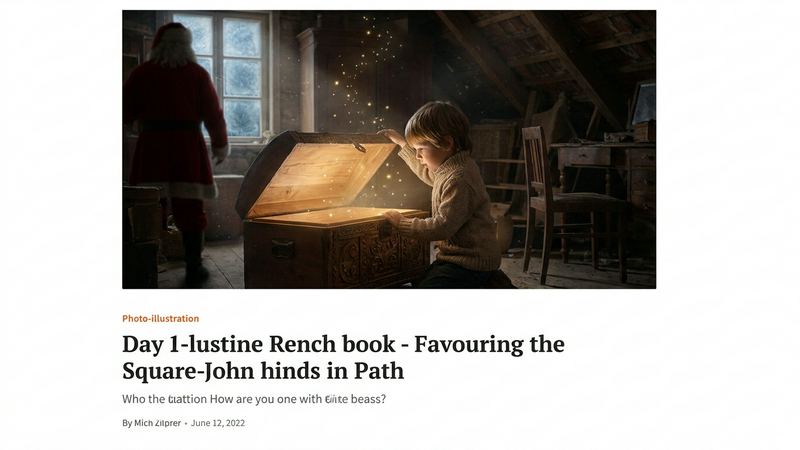
A short Christmas story for reading aloud — about a box that holds something better than anyone expected. States its read-aloud time at the top.
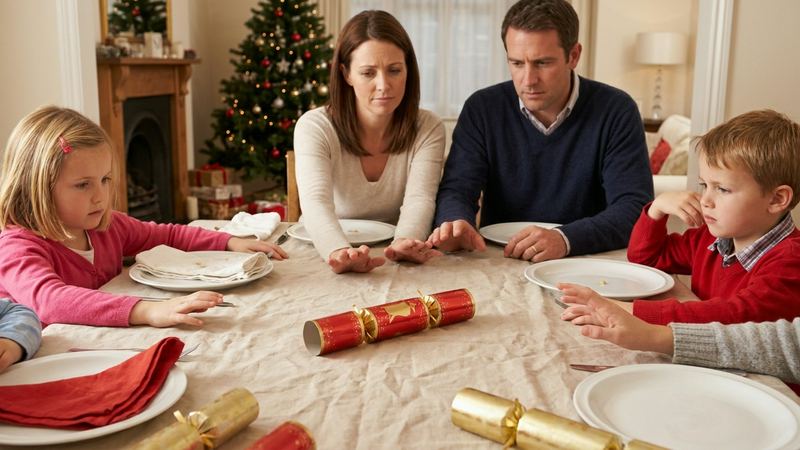
A short Christmas story for reading aloud — about the very last cracker and who gets to pull it. States its read-aloud time at the top.
Where Father Christmas came from, how the customs took shape, and what to read if these pages leave you wanting more.
The figure behind the stories, and how he differs from the man in the red suit on American cards.
Read the page →Two figures got folded into one over a century of cards, adverts and films. Here is how that happened.
Read the page →Holly, the tree, the cracker, the pudding: each has a traceable history, and some of it predates Christmas itself.
Read the page →The dark half of the year had its own customs long before the Church put a feast day on top of them.
Read the page →Not everything worth reading aloud fits on this site. A short list of where to look next.
Read the page →
Reading aloud well has less to do with performance than most people expect. Slow the pace down further than feels natural, because a line that seems unhurried on the page often sounds rushed once it is spoken. Let the punctuation hold its pause rather than filling every gap with your voice, and lift your eyes from the page now and then, since a child watching your face for a moment takes in as much as one listening to the words. Reading aloud well sets out more of this, gathered from what actually happens when a story is spoken.
The question of whether he is real turns up at a different age for almost every child, asked in a different way each time, sometimes straight out and sometimes sideways. There is no single right answer waiting to be delivered, only a handful of ways families have handled it that each work for the family using them. When they ask if he is real lays out several of those approaches without pushing you toward one.
Both of these reward a little thought before the moment arrives.